Fudoshin literally means:
- Fu (不) – not
- Do (動) – moving
- Shin (心) – mind or heart
It refers to a state in which the mind is steady and undisturbed, regardless of external conditions.
This does not mean being rigid or emotionless. Instead, it means:
- Remaining flexible yet stable
- Acknowledging emotion without being controlled by it
- Acting with clarity even in chaos
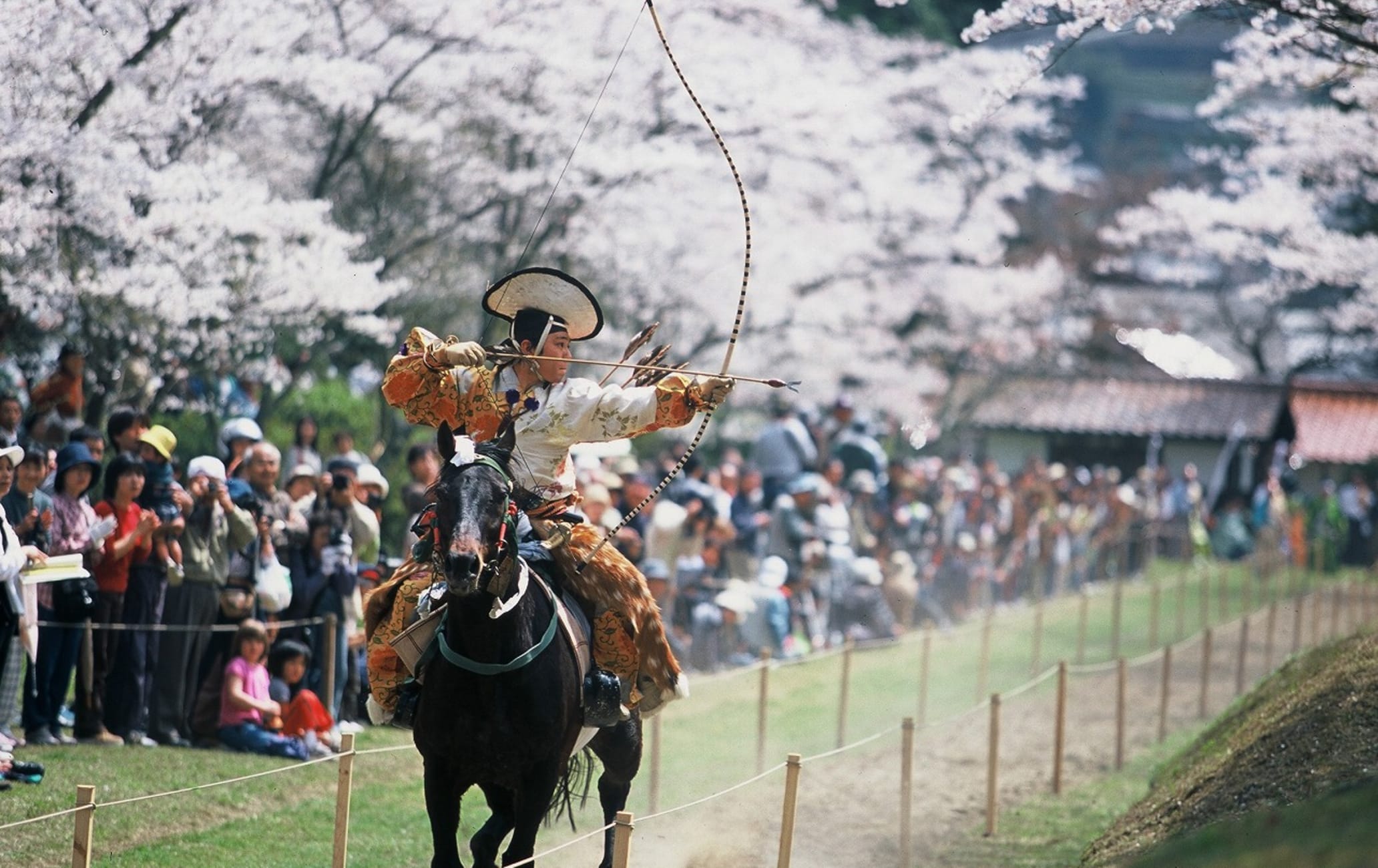
In Yabusame, this quality allows the practitioner to respond rather than react.
🏇 Fudoshin in the Dynamic Environment of Yabusame
Horseback archery presents constant challenges:
- Speed and movement
- Environmental unpredictability
- Physical and mental pressure
- The responsibility of working with a living partner
The practitioner must remain composed throughout the entire process:
- Mounting and preparation
- Movement at speed
- Drawing and releasing the arrow
- Continuing forward without attachment to the result
Even when the shot is missed, Fudoshin ensures the mind remains steady.


🧠 Psychological Strength and Resilience
The concept of Fudoshin is highly relevant today. It teaches:
- Emotional resilience
- Stress management
- Stability in uncertain environments
- Confidence without arrogance
- The ability to remain grounded
In high-pressure professions such as medicine, aviation, emergency services, and leadership, this mindset is essential.
For young people, developing Fudoshin can improve confidence, focus, and emotional wellbeing.
🌸 Spiritual and Cultural Roots
The idea of the immovable mind is deeply connected to Zen Buddhism and the warrior traditions of Japan. It is often symbolised by:
- Mountains
- Still water
- The rooted tree
These images represent calm strength and adaptability.
The practitioner becomes like still water, able to reflect reality clearly without distortion.
🥋 Fudoshin Across Martial Traditions
This principle is found in many Budo disciplines:
- Kendo
- Aikido
- Kyudo
- Judo
- Classical sword traditions
It represents the highest level of training, where fear, doubt, and distraction no longer dominate.
🌍 Applying Fudoshin in Daily Life
The immovable mind has wide application:
- Decision-making under pressure
- Leadership and responsibility
- Personal challenges and adversity
- Relationships and communication
- Education and long-term goals
It encourages calm action and thoughtful response rather than emotional reaction.
✨ Final Reflection
The wind may change.
The horse may move.
The world may be uncertain.
But the mind remains clear.
This is Fudoshin.
The strength that does not need to be seen.